Media Library

Proven strategies for finding hidden profit, building high-performance sales teams, and driving profitable growth

Podcasts, Articles & Interviews

Explore ([total_posts]) pieces of content
[clickable_slug]
Hiring commission-based salespeople can feel impossible—especially without a strong brand or big salary offers. But with the right systems in place, you can build a high-performing team that drives predictable revenue. In this episode, you’ll learn how to streamline your recruiting process, improve onboarding at scale, and eliminate the most common mistakes that lead to high churn. Whether you’re scaling a B2B sales team or just trying to get out of the sales seat yourself, this conversation offers clear steps to attract, train, and retain quality reps—even if you’re starting from scratch.
[clickable_slug]
Many entrepreneurs unknowingly let outdated belief systems run their business decisions. In this episode, discover how your brain’s survival wiring can block critical thinking, disrupt sales performance, and lead to self-sabotage. Learn how to interrupt reactive patterns, reframe problems more effectively, and create the mental clarity needed for long-term growth. This is not just mindset talk—it’s a strategic breakdown of how emotional intelligence, decision-making frameworks, and internal rewiring directly impact your bottom line.
[clickable_slug]
Discover how shifting your money mindset can help you reduce stress, improve decision-making, and build lasting wealth. In this episode, we explore how financial beliefs, relationship-based selling, and long-term value creation work together to unlock business growth. Learn how to manage financial anxiety, redefine success, and align your goals with a purpose-driven strategy.
[clickable_slug]
What if your sales struggles aren’t caused by your offer, your market, or your process—but by your mindset? In this episode, discover how invisible beliefs shape sales conversations, impact outbound performance, and limit business growth. You’ll learn why confidence is built through discomfort, how to lead your team with belief-driven clarity, and why switching from a to-do list to a “to-believe” list changes everything. If you’re stuck in operator mode and ready to scale like a CEO, this conversation breaks down the internal shifts required to support external success.
[clickable_slug]
If you’re considering selling your business, understanding how private equity really works could dramatically increase your payout—and your peace of mind. In this episode, you’ll learn why founders must replace themselves to grow, how to navigate deal structures without giving up control, and when M&A is smarter than marketing spend. Discover how PE firms calculate value, what makes your company truly attractive, and why preparing early leads to better terms. Whether you’re aiming for a high-multiple exit or simply exploring strategic growth, this conversation breaks down everything founders need to know—without the confusing jargon.
[clickable_slug]
Discover how consistent outbound action, the law of averages, and a simple daily routine can dramatically increase your sales performance. This episode reveals the real reasons professionals struggle with selling — fear, ego, and avoidance — and how to overcome them with predictable, compounding activity. Learn why most businesses don’t grow revenue despite strong offers, and how changing your identity through action can transform both your confidence and your results. If you're serious about scaling high-ticket B2B sales, this conversation gives you the mindset and method to do it.
[clickable_slug]
Discover why passionate ambivalence—the ability to care without clinging—is a game-changer in high-ticket B2B sales. In this episode, you’ll learn how to build trust without pressure, qualify leads with confidence, and hold pricing power by focusing on fit over chasing. Explore practical strategies for consultative selling, early qualification, and value-based conversations that shorten the sales cycle and raise conversion rates. Whether you're a solopreneur or leading a sales team, this episode reveals how to sell without selling—and why detachment can be your strongest closing tool.
[clickable_slug]
Sales objections often have less to do with pricing or timing and more to do with how the brain processes fear and uncertainty. In this episode, discover why the limbic system sabotages deals before logic kicks in, and how understanding buyer psychology helps you guide prospects out of resistance and into clarity. Learn the five brain-based responses to perceived threats, how to shift stalled conversations with neuroscience-based techniques, and what it really takes to become a more influential sales leader by interrupting your own limiting mental patterns.
[clickable_slug]
AI is changing the game for outbound sales, lead generation, and pipeline growth. In this episode, discover how to apply automation intelligently—without losing control or personalization. You'll learn the difference between generative and agentic AI, how to use the 10-80-10 framework for better efficiency, and why most businesses fail to see ROI from AI tools. Whether you’re reviving old leads or scaling a founder-led sales team, you’ll get clear, actionable strategies for integrating AI into your sales process with confidence.
[clickable_slug]
Most B2B professionals underuse LinkedIn—not realizing it’s one of the most effective platforms for building trust, creating visibility, and driving inbound leads. In this episode, learn how personal branding, executive visibility, and creative outreach strategies turn cold prospects into conversations. Discover how to generate ROI from conferences without attending, how to use content to capture qualified leads, and why use cases outperform traditional case studies. Whether you’re a founder or scaling a sales team, these strategies will help you increase lead volume, speed up deal cycles, and close high-value B2B clients through smarter positioning and platform use.
[clickable_slug]
Sales conversations shouldn’t stall after the first few minutes—but they often do. This episode explores why even skilled professionals lose deals when they target the wrong buyer, lead with features instead of value, and overlook the emotional risks their prospects carry. You'll learn how to reposition your sales approach by identifying the true decision maker, shifting your message to match what buyers care about most, and listening for the personal ROI that drives real commitment. If you rely on 1:1 conversations to sell high-ticket B2B offers, these insights will reshape the way you close
[clickable_slug]
Building a high-performing sales team isn’t about luck—it’s about structure, clarity, and consistency. In this episode, discover how key performance indicators (KPIs) can transform how you hire, onboard, and manage your sales team. Learn how to filter talent with expectations, design real-world interviews that expose true selling ability, and avoid costly turnover by aligning KPIs with every step of your sales process. You’ll also uncover a repeatable four-part sales execution framework that improves close rates and builds long-term buyer confidence. If your team isn’t producing consistent results, this episode breaks down what’s missing—and how to fix it.
[clickable_slug]
Your team isn’t losing deals because of competition—they’re losing them before the real decision ever starts. Buyers already know your product. What they don’t know is whether choosing you puts their role, reputation, or results at risk. So they hesitate. They ask for more information. They delay. And your team responds by giving more answers—killing momentum while thinking they’re building it. This is where deals stall, pipelines inflate, and close rates quietly erode. Not from lack of demand—but from unmanaged decision risk inside the conversation. The gap isn’t effort. It’s control of how the buyer processes the decision.
[clickable_slug]
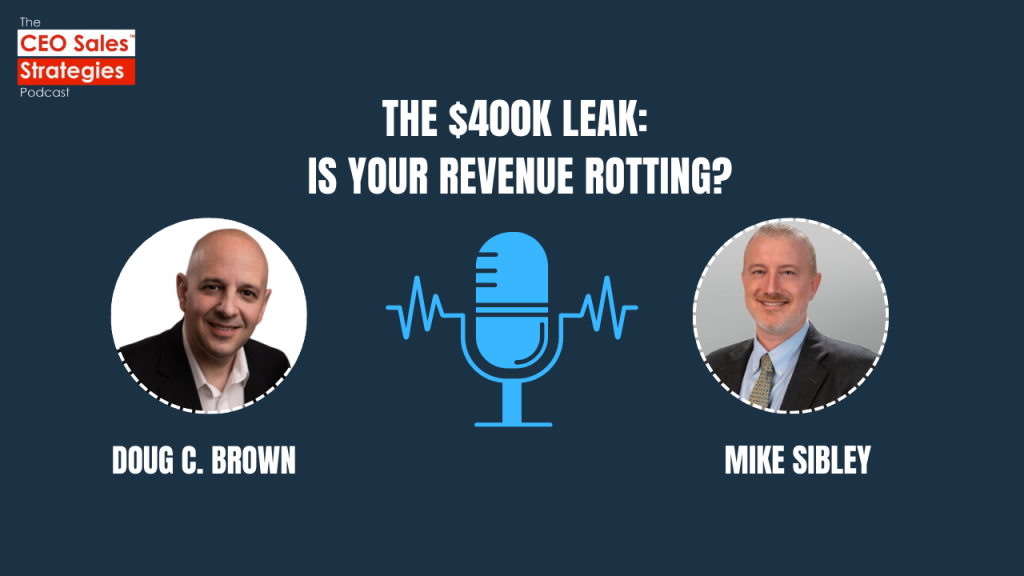
Most CEOs think a sales problem means they need more pipeline, more pressure, or better closers. The harder truth is that too many weak deals stay alive too long, waste selling time, distort the forecast, and quietly widen the leaks in the business. Revenue can still rise while cash timing, margin quality, and confidence in the number get worse underneath it. That is why small gains in win rate, sales cycle speed, and lost deals can create outsized movement in EBITDA, operating cash flow, and how predictable growth feels. Weak deal coaching rarely looks dangerous early. CEOs usually notice the damage only when the money is still missing from the bank.
[clickable_slug]
Revenue growth can make a company look stronger while the real economics get worse. More clients, more employees, and more activity can still produce weaker margins, lower profit quality, and mounting EBITDA pressure when pricing, delivery, and client fit are off. What feels like momentum can actually be expensive growth hiding inside the model. By the time leadership fully sees the damage, it is usually already buried in labor cost, underpriced agreements, churn, and the declining value of the business. The real risk is not slower growth. The real risk is building a larger company on economics that were already starting to fail.
[clickable_slug]
Burnout rarely looks expensive at first. It shows up in smaller decisions, slower recovery, and leadership pressure that quietly spreads through the company. What feels personal at the CEO level eventually reaches the numbers. Robert Mixon reframes balance as an energy problem, not a time problem. When physical, mental, emotional, and spiritual energy start breaking down, decision quality drops, resilience weakens, and the business begins to absorb the cost in culture, cash flow, and EBITDA.
[clickable_slug]
Most EBITDA erosion doesn’t start in the market. It starts in the room. When leaders believe they need all the answers, teams stop challenging assumptions. Problems surface late. Accountability softens. Innovation slows. Nothing dramatic happens. Revenue may even hold steady. But margins thin. Decisions lag. Clients feel the drag before leadership does. Avoidance becomes cultural. Culture becomes financial. And over time, profitable companies quietly become unsellable. This conversation examines how leadership behavior compounds into enterprise value risk — and why the cost rarely shows up until options are already narrowing.
[clickable_slug]
Growth rarely stalls because leaders lack strategy. It stalls when caution quietly replaces execution. As companies scale from $5M to $20M, the cost of being wrong feels higher. So hiring slows. Expansion pauses. Capital decisions get delayed. What once felt disciplined becomes hesitation, and hesitation compounds into stalled revenue, heavier payroll, and slower momentum. Hot markets reward speed. Down markets expose overconfidence. Teams built for easy growth struggle when conditions tighten, and leaders realize too late that yesterday’s instincts no longer match today’s environment. At some point, the greater risk isn’t making a six-figure mistake. It’s carrying the weight of indecision while the market keeps moving.
[clickable_slug]
Revenue growth doesn’t guarantee value creation. In fact, it can hide valuation compression. In payment processing alone, small basis-point increases compound quietly across thousands of transactions. Most CEOs never see it. The charges are automated, the statements are complex, and the increases are incremental. Meanwhile, EBITDA absorbs the impact. An 80% probability of a 20% margin gap isn’t operational noise — it’s equity exposure. Buyers and private equity firms don’t value your effort. They value your cash flow. This episode surfaces how hidden credit card fees quietly erode EBITDA, why most $5M+ companies are overpaying without realizing it, and how small inefficiencies multiply into seven-figure valuation loss.
[clickable_slug]
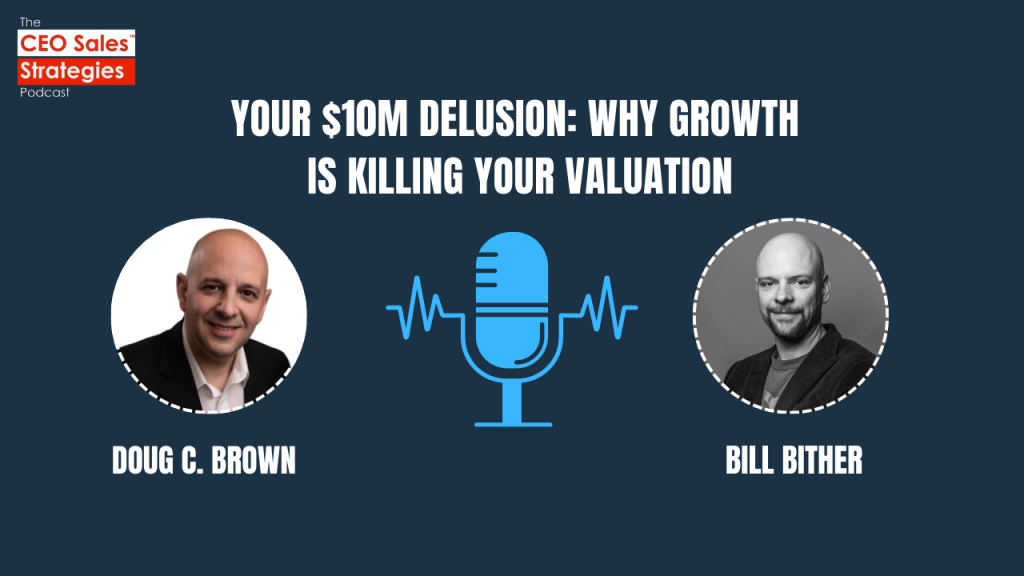
Revenue rises, but margins thin, cash tightens, and valuation quietly slips without triggering alarms. Many founder-led companies mistake pressure for progress. Sales close. Operations stay busy. Revenue posts. But inefficiency compounds underneath — changing the economics of the business long before it shows up as a visible problem. Growth doesn’t fail loudly. It erodes leverage quietly — through operational drag, delayed decisions, and cost structures that harden as volume increases. By the time leaders are forced to react, the correction is far more expensive — in EBITDA, flexibility, and valuation. Doug C. Brown is joined by Bill Bither, a founder who has built and scaled manufacturing technology businesses through multiple growth cycles, to expose where efficiency breaks first — and why ignoring it during growth permanently changes the math of the company.
[clickable_slug]
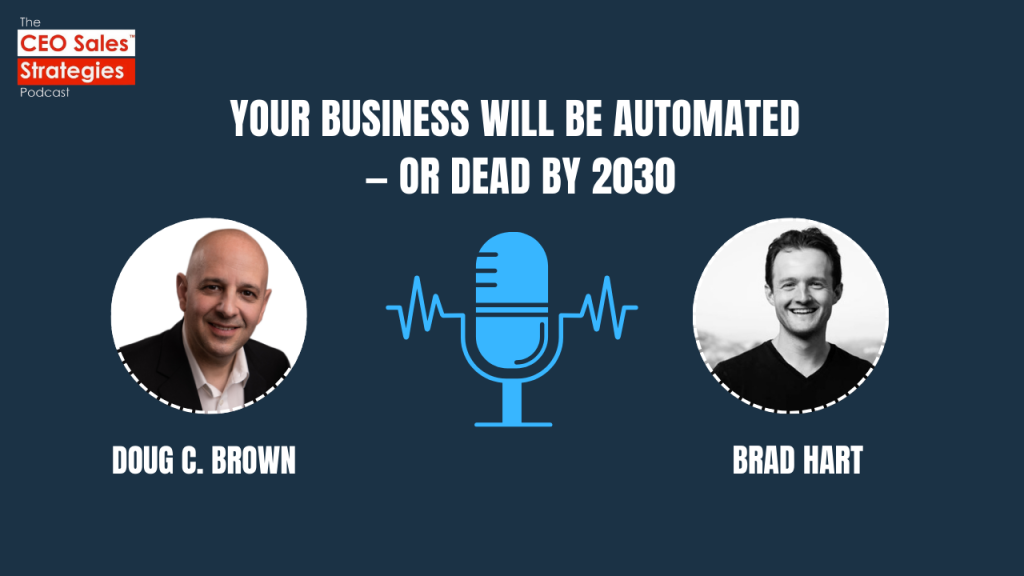
Revenue growth often masks what’s actually happening inside a scaling business. Margins thin. Cash feels tighter. Decisions carry more risk — even as top-line numbers look healthy. This is the cost of running at human speed in a market that’s already moving faster. Manual processes persist, leverage stays trapped in people, and erosion sets in quietly long before anything breaks. In this conversation, Doug C. Brown and Brad Hart examine how faster systems are changing the economic math for founder-led companies. They unpack why margin and leverage decay before leaders recognize the threat, how operational drag hides inside sales and execution, and why waiting reduces optionality long before revenue slows.
[clickable_slug]
Revenue growth is often treated as proof the business is healthy. But in many founder-led companies, it masks something more dangerous: margins quietly thinning, cash becoming harder to access, and decisions carrying more risk than they should at this stage. When sales, operations, and financial discipline aren’t economically aligned, revenue can keep posting while EBITDA erodes underneath it. The damage doesn’t show up as a single failure. It compounds through pricing gaps, operational drag, and accountability blind spots that permanently change the math of the business. This episode surfaces how value actually leaks inside growing companies, why these losses are easy to rationalize as “normal growth pain,” and how waiting to address them reduces optionality — in cash flow, strategic flexibility, and ultimately valuation.
[clickable_slug]
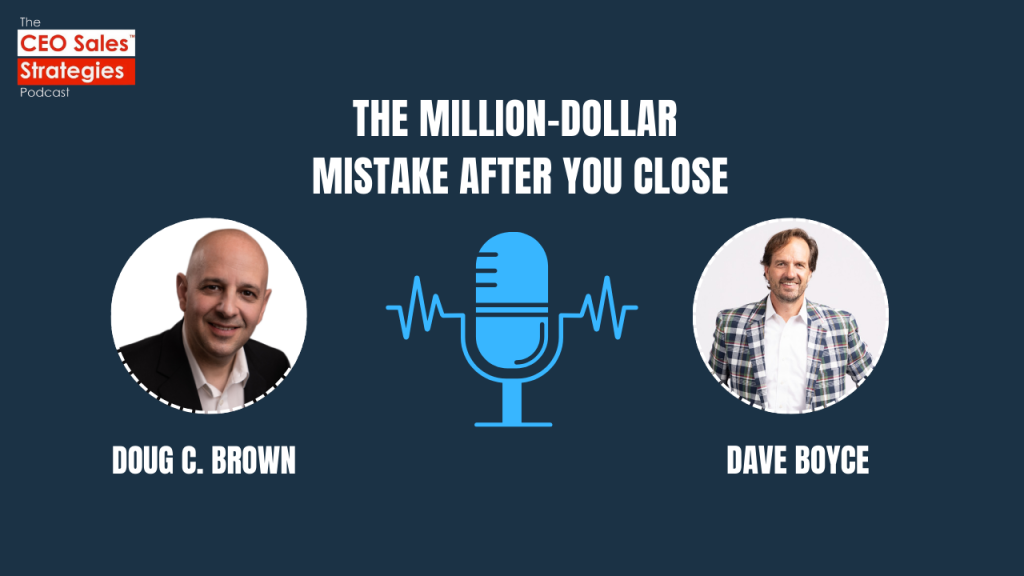
Closing the deal feels like winning. But what happens after the sale quietly decides whether your business gets easier to grow—or harder. Many founders move on too fast after they close. Nothing looks broken at first. Revenue still comes in. Deals still happen. But underneath, momentum is either compounding—or resetting back to zero. This episode exposes the million-dollar mistake leaders make after they close, why most don’t notice it until growth feels heavier, and what separates businesses that compound from those that keep starting over.
[clickable_slug]
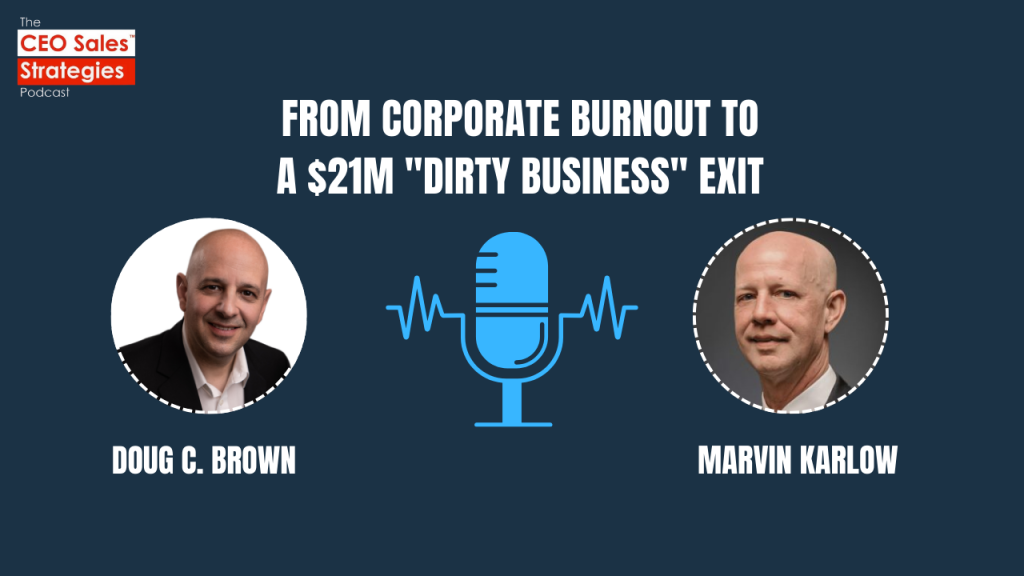
Is Your Business Hiding a $10M Valuation Secret? Discover the “Impossible Math” of EBITDA Multiple Zones, where scaling your profit doesn’t just add value—it multiplies it. In this episode, Marvin Karlow reveals how he transitioned from corporate burnout to a $21M manufacturing exit by mastering the gritty reality of a “dirty business” turnaround. We pull back the curtain on the “Due Diligence Death Zone,” explaining why the majority of eight-figure deals collapse after the Letter of Intent is signed. You’ll learn how to utilize the “Bad Guy” strategy to protect your relationship with a buyer, the truth behind the “Two-Week Vacation Test,” and why waiting until you are burnt out to sell is the most expensive mistake a founder can make.
[clickable_slug]
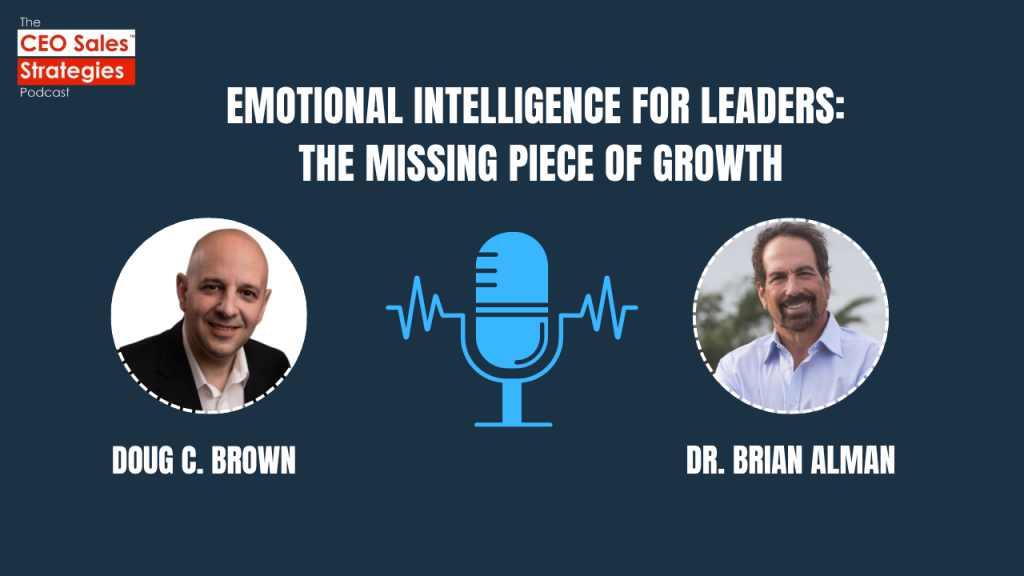
Are hidden emotional patterns quietly undermining your business growth? This episode uncovers how subconscious patterns, emotional triggers, and unresolved internal conflicts silently shape leadership behavior and business outcomes. You'll learn how emotional intelligence, self-awareness, and simple mindset shifts can unlock new levels of clarity, confidence, and revenue. Through practical frameworks like the “rings of the tree” and the “movie theater” mindset, this conversation offers tactical tools to help leaders transform stress into strategy — without adding more to their day.
[clickable_slug]
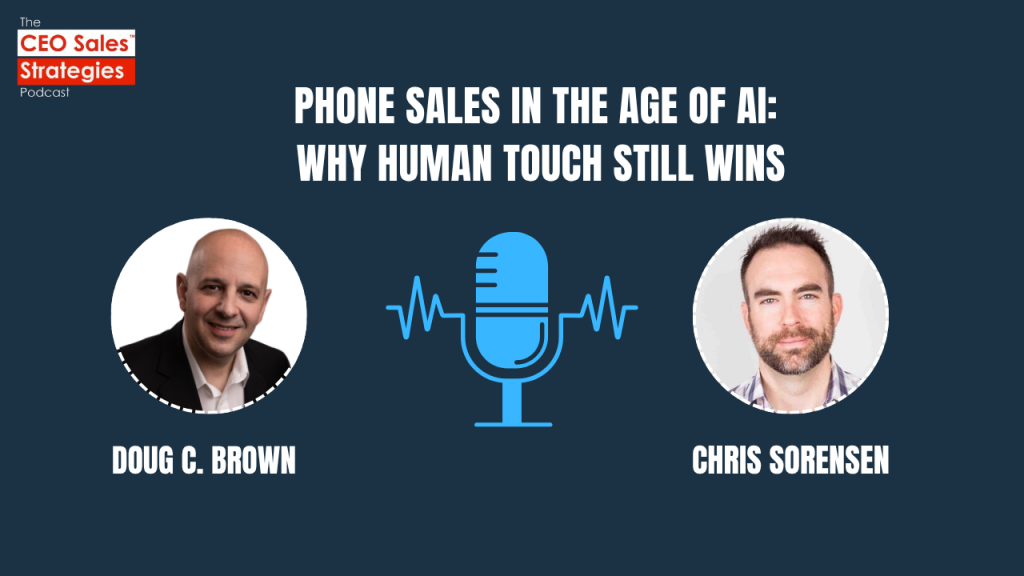
Discover why today’s top-performing salespeople are doubling down on real conversations—even in the age of automation. This episode breaks down how to blend AI with human connection, accelerate trust on cold calls, and avoid the costly compliance mistakes many companies overlook. It also highlights how just a 1% improvement each day can lead to significant long-term sales growth. Whether you're leading a sales team or closing deals directly, you'll walk away with insights that challenge traditional outbound strategies and reveal what truly works in today’s market.
[clickable_slug]
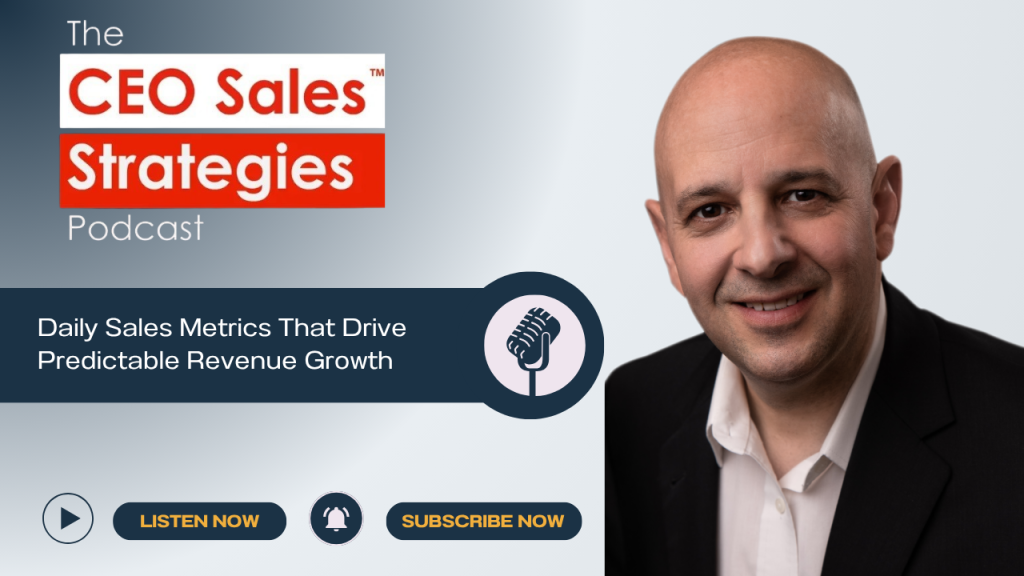
Most sales teams measure close rates — but ignore the daily metrics that predictably grow revenue. In this episode, you’ll discover the full framework for tracking outreach, connection rates, appointment volume, follow-up, transaction value, referrals, and lead quality. These metrics, when stacked and measured consistently, unlock exponential growth with less guesswork. Learn how to create accountability around the right numbers and why compounding improvements across your funnel drive faster results. If you’re building a high-performing outbound sales system, this episode is essential listening.
[clickable_slug]
Most follow-up messages in B2B sales are ignored — not because the prospect isn’t interested, but because the message misses the mark. This episode breaks down the biggest mistakes professionals make in their follow-ups, from generic messaging and poor timing to lack of personalization and weak calls to action. You’ll learn how to fix each one, implement a multi-channel approach, and build a system that keeps your outreach relevant and effective. If your prospects aren’t responding, this episode explains exactly what to change and why it works.

Additional Articles for Your Review

Entrepreneur Magazine The Ceos Guide To Sales Operations

How to structure your sales operations to maximize profit, not just revenue.
Entrepreneur Magazine The Ceos Guide To Sales Operations

How to structure your sales operations to maximize profit, not just revenue.
Entrepreneur Magazine The Ceos Guide To Sales Operations

How to structure your sales operations to maximize profit, not just revenue.
[clickable_slug]
Most business owners dream of the day they sell and walk away — but few prepare for what happens next. This episode explores how to exit a company without losing your sense of self, identity, or purpose. Learn why fulfillment doesn’t come from money alone, and how to design your business and your life with clarity, intention, and long-term value. Discover a proven framework for building a business that not only sells but leaves you stronger, happier, and more complete after the deal is done.
[clickable_slug]
This episode dives deep into the real drivers of long-term business growth—internal stability, mindset shifts, and redefining success. Learn how stepping outside of comfort zones can unlock greater evolution, how challenges build the strongest business leaders, and why fulfillment is built from the inside out. For entrepreneurs and executives navigating pressure and growth, this is a masterclass in scaling with intention.
[clickable_slug]
Discover a smarter path to product development using pre-launch sales to validate demand, generate revenue, and reduce risk. In this episode, you'll learn how to identify high-value problems worth solving, test product-market fit without writing code, and build trust in high-ticket B2B sales conversations. Whether you're launching a SaaS, new offer, or major initiative, this conversation delivers the exact process to prove your offer converts—before investing in development.

Additional Interview for Your Review

Entrepreneur Magazine The Ceos Guide To Sales Operations

How to structure your sales operations to maximize profit, not just revenue.

Entrepreneur Magazine The Ceos Guide To Sales Operations

How to structure your sales operations to maximize profit, not just revenue.

Entrepreneur Magazine The Ceos Guide To Sales Operations

How to structure your sales operations to maximize profit, not just revenue.